
-
Tools You Need to Build Your Business as a Solopreneur

Congratulations! You’ve taken the leap to become a solopreneur. Most likely, you’re seeing a long-term vision or dream come to life. Expect an exciting, fulfilling ride with lots of hard work and well-earned profits.
That being said, getting started as a solopreneur can be extremely overwhelming. All of a sudden, you’re responsible for setting up every aspect of a profitable business – including scheduling and time-tracking, all communications, website hosting, marketing, accounting, and more. To launch your business as a solopreneur, you’ll want to be prepared with a suite of tools that will help ensure your success. Share on X
Here are a few that can help you to automate administrative processes, establish effective workflows, and strategize on how to successfully market your product or service.
-
Time Tracking for Video Editors & Podcast Producers
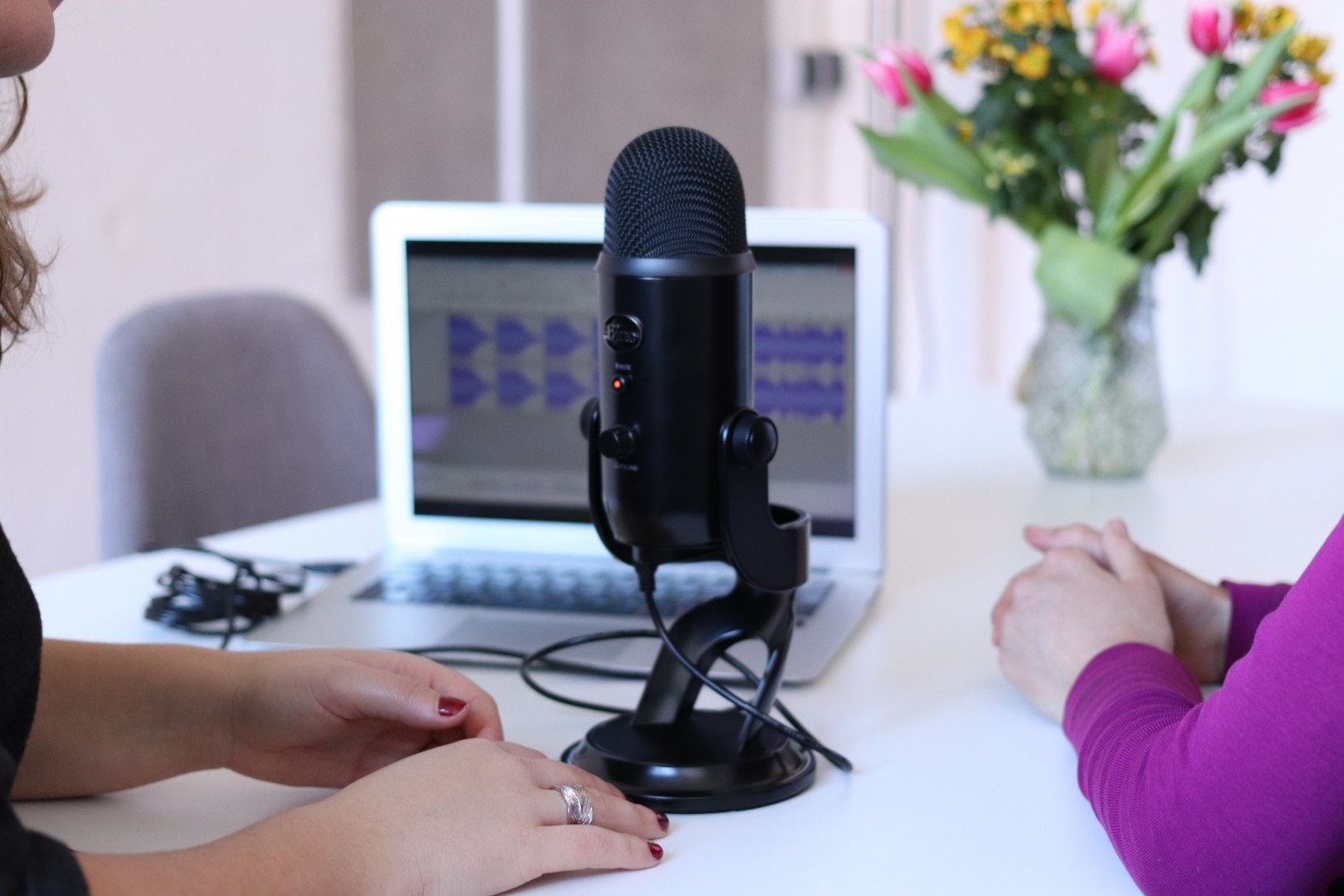
Editing video and audio content is uniquely detailed work. As anyone who has spent two hours working on a 5-minute clip knows, there’s a lot that goes into producing that video or Podcast episode. That’s why professionals like podcast producers and video editors need extraordinary focus, meticulous attention to detail, and lastly, a keen sense of timing.
But these creatives don’t just need to know how to time things right. They also need external tools to help them track their own working hours. In this article, we’ll take a look at why automatic time tracking can be so beneficial to video editors and podcast producers; specific time tracking strategies for these creatives; and features to look for in a time tracking system.
-
Time Management Hacks for Self-Employed Professionals

Kayla Matthews, a productivity-obsessed writer from Pittsburgh, has been writing for nearly a decade about self-improvement and business efficiency. You can see her articles on sites like MakeUseOf, Inc.com, Information Age, and her blog, ProductivityTheory.com.
Are you managing your time in the best ways? Self-employment and remote work can come with an abundance of benefits. But they can also come with the pesky issue of time management.
Time management isn’t just about time, either. It overflows into productivity, profits, stress, planning and so much more. Finding a balance in it all is the most important thing you can do.
Whether you have been freelancing for years or just started working from home due to the current crisis, read on for hacks that will help you with time management!
-
How to Create a Project- or Task-Specific Report in Timing

One of the most powerful benefits of using Timing is that it allows you to export instant reports that include details about how you’ve spent your working hours.
A detailed, project- or task-specific report can be especially useful when it comes to billing clients for your time–but it can also be used for:
- Reviewing your personal time usage on specific projects or clients,
- Estimating time usage/costs for similar projects or clients, and
- Leverage while proposing an increased rate to a client (or potentially, an employer).
In this article, we’ll take a look at how to create a report in Timing, as well as different types of reports you might want to generate to get richer insight into your most valuable resource: your time.
Read More → -
10 Signs You Need to Start Tracking Your Time

Kayla Matthews, a productivity-obsessed writer from Pittsburgh, has been writing for nearly a decade about self-improvement and business efficiency. You can see her articles on sites like MakeUseOf, Inc.com, Information Age, and her blog, ProductivityTheory.com.
When you wake up every day, you know what you can expect based on your schedule. You might need to take notes at meetings or present to your team. Blocking off time for big events is easy, but how good are you when it comes to narrowing down what you’ll do in shorter periods?
Imagine you have two hours to work on assignments before your next meeting. You might tackle your duties by jumping in and not stopping for breaks, but then time slips by. Before you know it, you’ve barely accomplished anything and you have to leave.
This is one of the common ways people realize they aren’t as productive as they’d like to be. If you think that might be you, here are 10 signs that prove you need to start tracking your time. Once you try a few of these tips and start tracking time, you’ll breeze through your daily schedule and accomplish more than ever before.
-
Tracking Time Spent in DEVONthink with Timing

If you are doing a lot of Deep Work, you might be spending hours performing research, writing, or crafting notes or presentations. Organizing all the information generated by these activities is a daunting task. Luckily, DEVONthink can help with that. DEVONthink is a data management system that can help professionals (and students) navigate and organize a wide range of documents at their disposal.
The challenge, however, with using this kind of system is tracking the time you spend on it. If you spend the majority of your workday on DEVONthink, it’s not necessarily helpful to see that you spent 7.5 hours on this app – when you know that you’ve worked on a whole range of different projects and subprojects.
Here’s the good news: Timing is now integrating with DEVONthink – giving you the power to track minutes and hours you spend on specific documents in this powerful data management system.
Read More → -
The Freelancer’s Guide to Creating and Tracking Invoices

As a freelancer, you rely on invoices to get paid for your efforts. Creating useful invoices can mean the difference between getting paid on time and having to wait months before receiving payment.
Sending invoices is a vital part of being a freelancer. Creating a smooth invoicing process will help your cash flow remain steady and get you paid without too much hassle. Getting paid quickly happens when you have and utilize efficient procedures. If your clients don’t know what to do once they receive your invoice, it’s going to take extra time to get paid.
Today’s post will help you as a freelancer understand the best ways to create and track your invoices. When you have better project-tracking practices, you’re in a better place to get paid for all of your efforts.
Create Different Invoices For Various Types of Projects
There are two significant ways freelancers can charge for their services: hourly and per project. Each method has different types of invoicing and different ways to track work.
Billing hourly is simple to track. All you need to do is find a way to track the time spent on each project and charge for each hour you complete. Some clients have a maximum amount of time you can spend on their tasks each week. If this is the case, you need to have measures in place to stop you from working too much. If clients have listed a hard limit, they won’t pay you for any work done over that.
Read More → -
How to Manage Your Team’s Projects and Times with Timing and Zapier
Please note: while you can still use the guide below for managing your team with Zapier, we now offer Timing for Teams, which is much more convenient.
Two weeks ago, we explained how you can use Timing with Zapier to streamline your billing process. Today, we will build on these foundations to help you manage your team’s projects and times through Zapier. If you are unfamiliar with the process of connecting Timing to Zapier, have a look at that article for a detailed example.
In particular, you can have Zapier automatically create projects for each of your team members, then send their tracked time to a shared Google Sheet for reporting. That way, you can quickly consolidate your time tracking and billing in one place.
-
How to Leverage Your Time-Tracking Data for More Earnings and Better Productivity

Congratulations! You’ve started to successfully track your time.
You’ve got the reporting to prove your productivity and effective time management. You know where and how you’re spending your precious minutes and hours, and at what points in the day you are most productive. You’re headed in the right direction towards effective time management.
Now what?
You’ve tracked your time. Now, you’re ready to leverage that valuable information to prove your worth as a professional resource, help you become a higher earner, and increase your productivity.
Read More → -
Want to Boost Your Earning Potential? 4 Tips How

The average American earns $44,720 per year.
That doesn’t sound terrible – until you factor in the reality that younger workers (between the ages of 20–24) are making $28,000 per year on average.
No matter where you fall on the spectrum of pay in the U.S., chances are that you’d like to raise your own income up a couple of notches.
You want to boost your earning potential….but do you believe it’s really possible?
You might have a packed schedule, a limited educational background, or even work in a career field that doesn’t bring in a ton of cash.
We’re not intimidated by these barriers, and neither should you be. It is possible to boost your earning potential, regardless of the stage of life you find yourself in, your current income, or your (perceived) lack of resources.
Here are four tips on how to boost your earning potential without switching careers:
Read More →
