
-
How Flex Time Can Improve Work-Life Balance and Job Satisfaction
 Image: Christine Hume
Flex time, flexitime or flexible hours. It’s often one of the things that draws freelancers to self-employment in the first place, and especially since the pandemic, has become increasingly common among larger companies, too. It refers to the ability (as the name suggests) to be flexible in how you manage your time. It offers some important benefits.
Studies have shown, for example, that flextime decreases work-related stress, boosts job satisfaction, and leads to a greater work-life balance. This is because it can often be difficult to deal with domestic responsibilities like caring for your home, looking after children, and attending to health concerns if your working hours are cast in stone. A little flexibility, however, makes it easier to stay on top of your different commitments. If you’re an employer, there are advantages for you, too, such as increasing productivity and reducing absenteeism and employee turnover.
Let’s take a closer look at what flex time means, and answer some of your questions. What are the pros? Are there any cons? And how can you make a flexible working arrangement part of your business?
-
The Dangers of Work Overload and How to Avoid It (for You and Your Team)

Whether you’re the team leader, part of a team, or work for yourself, you’ve probably dealt with work overload. In 2026, with remote work blurring boundaries and economic pressure mounting, being overloaded at work is more common than ever. If work overload is unchecked, it can profoundly impact your people and work products.
In this article, we dive into work overload, its impact, and the steps you can take to avoid it. You can save your team from burnout and continue producing high-quality work with the right processes and tools.
-
How Deep Work Can Help Increase Your Productivity
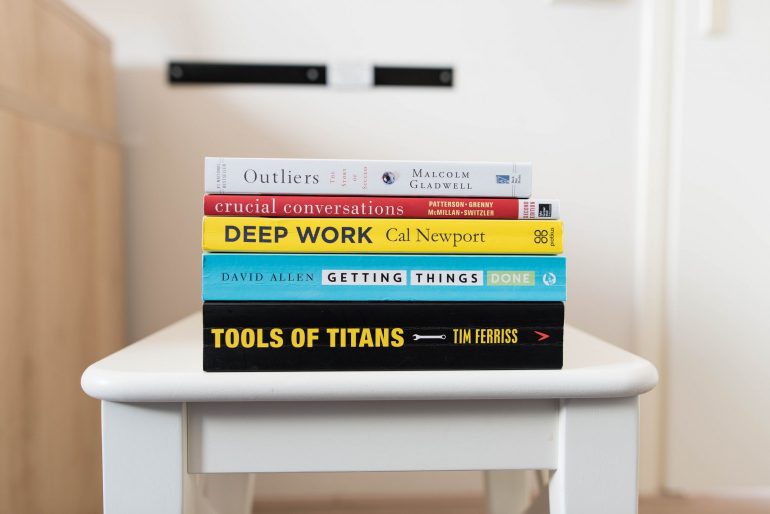
In our age of constant distraction, true productivity is never quite within our reach. This is a huge issue for knowledge workers, who are often distracted from their main tasks by administrative work, emails, chat notifications, and, of course, social media.
But what’s the answer to this issue? According to writer and computer science professor Cal Newport, the solution is ‘deep work’. Newport believes that by reducing or eliminating ‘shallow work’ and prioritizing ‘deep work’, we can regain our lost focus and improve our productivity, skills, and even our happiness.
In this article, you’ll discover how deep work can benefit your professional and personal life and how you can implement a deep work strategy. As an entrepreneur, you’ll learn how deep work can help your business grow and develop, and if you have employees, these tips can be passed down to benefit your whole organization.
-
Time Management Hacks for Self-Employed Professionals

Kayla Matthews, a productivity-obsessed writer from Pittsburgh, has been writing for nearly a decade about self-improvement and business efficiency. You can see her articles on sites like MakeUseOf, Inc.com, Information Age, and her blog, ProductivityTheory.com.
Are you managing your time in the best ways? Self-employment and remote work can come with an abundance of benefits. But they can also come with the pesky issue of time management.
Time management isn’t just about time, either. It overflows into productivity, profits, stress, planning and so much more. Finding a balance in it all is the most important thing you can do.
Whether you have been freelancing for years or just started working from home due to the current crisis, read on for hacks that will help you with time management!
-
10 Signs You Need to Start Tracking Your Time

Kayla Matthews, a productivity-obsessed writer from Pittsburgh, has been writing for nearly a decade about self-improvement and business efficiency. You can see her articles on sites like MakeUseOf, Inc.com, Information Age, and her blog, ProductivityTheory.com.
When you wake up every day, you know what you can expect based on your schedule. You might need to take notes at meetings or present to your team. Blocking off time for big events is easy, but how good are you when it comes to narrowing down what you’ll do in shorter periods?
Imagine you have two hours to work on assignments before your next meeting. You might tackle your duties by jumping in and not stopping for breaks, but then time slips by. Before you know it, you’ve barely accomplished anything and you have to leave.
This is one of the common ways people realize they aren’t as productive as they’d like to be. If you think that might be you, here are 10 signs that prove you need to start tracking your time. Once you try a few of these tips and start tracking time, you’ll breeze through your daily schedule and accomplish more than ever before.
