
-
The Ultimate Guide to Boosting Team Productivity Through Psychological Safety and Trust

Do you know what the highest-performing teams have in common? They trust each other. They work in a safe environment where no one fears punishment or retribution for making a mistake, taking a risk, or voicing an opinion.
“There’s no team without trust,” says Paul Santagata, Head of Industry at Google. He knows this because of Google’s two-year study into team productivity. They interviewed 200 employees and looked at more than 250 attributes of 180 active Google teams.
They expected to find a perfect mix of talents and attributes. Surely the highest performing teams were a combination of advanced degrees, skilled specialists, and type-A personalities, right?
Actually, no. What they found is that who is on the team does not matter much. What’s important is “how the team members interact, structure their work, and view their contributions.” Ultimately, the study revealed that the best teams have strong trust and psychological safety, including the belief that you will not be punished for mistakes.
What happens when we don’t feel safe at work? According to evolutionary biology, a provocation or threat by an employer (or anyone with power or authority in our work environment), subordinate, or coworker is processed as a life-or-death threat in our brain. The fight-or-flight response is ignited, which shuts down analytical reasoning, thus preventing us from thinking our way out of a problem.
-
14 Tips for Juggling Multiple Freelance Projects

Juggling multiple projects is one of the biggest challenges for many freelancers. It starts when one client decides to expand their services. Then another wants an extra project. Then someone refers you to their friend and they want a one-off job. Now an agency wants to subcontract through you. All of a sudden you’re busier than ever!
What makes this hard is that your clients don’t know each other. They don’t know, or care, but you have other obligations. They only know what you promise to deliver.
Keep in mind that having lots of work is a good problem to have. It means you are doing something right as a freelancer. People want to work with you, so your career is on the right track.
If you don’t find ways to manage multiple projects, there’s a good chance you’ll fail to meet your obligations. Clients will be dissatisfied if you deliver poor-quality work or submit it late. It could affect your relationship with those clients and your overall reputation.
So for the sake of your income and your career, it’s important to learn how to manage a busy workload.
-
Fixed Price vs. Time and Material: How to Charge Clients?

Like most freelancers and small business owners, you’ve probably agonized over a simple question: “How much do I charge for my services?”
On the surface, it seems like a simple question. You know there’s going to be some variation between you and other freelancers due to your location, experience level, and skills, but you may never feel like you come up with a good number. When a client declines to work with you, you always wonder if it was because of your price. Were you too expensive for their budget? Or were you so cheap that they worried about quality?
Plus, it’s in the interest of both parties to come up with an accurate figure. If the number is too high, the client will feel like you’re taking advantage of them. If the number is too low, you won’t feel properly compensated for your work.
So how do you come up with good prices to charge your clients? There are basically two models: fixed pricing and time-and-materials pricing. Each model comes with advantages and disadvantages, so you’ll need to choose the one that works best for you, but in this article we’d like to give you an overview of both options to help you decide.
Keep in mind, however, that you aren’t bound to one system or the other. Feel free to switch between these pricing models based on the types of clients you serve and the projects you work on. Now let’s explore fixed price vs. time and materials pricing.
-
8 Tips for Better Time Management for Freelancers

As a freelancer, your time is everything. The faster you can complete projects (without sacrificing the quality of the work), the more money you can make. “Time is money,” as they say.
Adding hours to your day isn’t the only way to make more money. If you can complete projects faster without wasting precious time, you can schedule more projects, and thus make more money. If you waste time, therefore, you’re actually throwing money out the window. So it’s critical that you take time management seriously.
“But I work for myself,” you might be thinking. “I want freedom and flexibility. I don’t want a boss standing over my shoulder making sure I’m working diligently, so why would I do that to myself?”
That’s a fair sentiment, but good time management doesn’t mean putting yourself under a lot of stress. It doesn’t necessarily mean working extra hard, either. It just means working smartly.
So how do you improve your time management and truly optimize your workday as much as possible? In this article, we’ll explain how with a collection of time management tips for freelancers.
-
How to Improve Project Management with Time Tracking Software
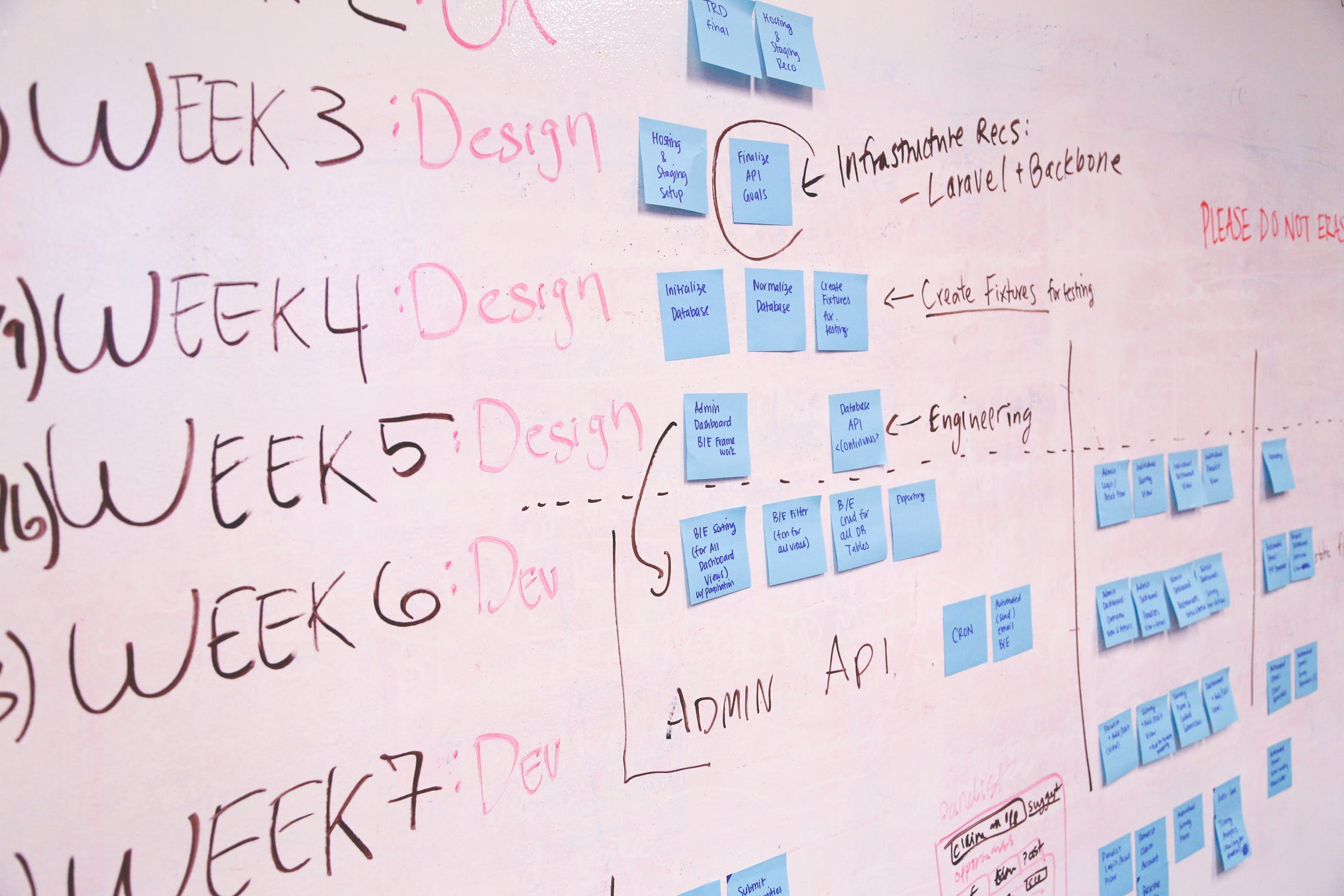
Whether you work for yourself or someone else, the benefits of project management are undeniable. It keeps you organized, helps you manage deadlines, and ensures you meet all of your obligations. Without project management, there’s a good chance tasks will fall through the cracks, which will ultimately disappoint your clients and affect your revenue.
According to the consultancy firm Bain & Company, most work will be project-based by 2027. This explains why the demand for project managers has been growing faster than the demand for skilled workers in other occupations. Putting someone in place to manage the project is often more effective and more productive than adding another person to handle the frontline work.
While 77% of high-performing projects use some kind of project management software, many people don’t take project management seriously. According to Project Management Institute, only 23% of people use standardized project management practices. These people are leaving productivity on the table (and probably losing revenue).
