
-
Time Theft Is Real – And It’s Costing You More Than Time

Image by: ChatGPTYou may not realize it, but time theft is costing your business and not in small change. The phenomenon manifests in the gaps between tasks, getting stuck in your inbox, and all the small administrative time sinks that never make it onto your invoice.
Unlike traditional workplaces, where time theft implies you’re deliberately slacking off, as a freelancer or solopreneur, it’s the opposite. Time theft is usually unintentional. Instead of shirking your responsibilities, you might find yourself guilty of falling into a cycle of performative productivity or context switching.
Both reduce your capacity for impactful input. Without visibility into how you’re spending your time, you risk loss of revenue — and miss out on opportunities for sustainable business growth and the freedom to step away from your laptop without guilt.
Below, we’ll walk you through what time theft really looks like when you’re working for yourself, and how to get your time back by building a healthy accountability system without invasive micromanagement methods.
-
Why Is It Important to Set Realistic Goals? Top 6 Benefits and Tips for Success

Image: Generated with Dall-ESetting work goals can help to give you clarity and focus, boost your motivation, and increase your chances of achieving your professional ambitions. But be careful, we’re often warned, you have to make sure your goals are realistic. Why? Why is it important to set realistic goals? What are the benefits? Can’t we just aim for the stars and hope for the best?
In the minutes after midnight on 1 January every year, millions of people set goals for themselves. Within the first six months, according to recent research, 93.5% have failed in their attempts. The majority have given up before the end of February.
The reasons why we fail are numerous and complex. In some instances, we haven’t adequately prepared ourselves. We don’t really know what pursuing our goals involves or what will be required for us to succeed. In other instances, we encounter unanticipated external challenges. We fall ill, the economy changes, a pandemic hits. But among the most important reasons is that our goals simply aren’t realistic in the first place.
Here, we look into six benefits you can expect if you set realistic goals, and offer tips for making your goals a reality.
Let’s get started.
-
Increase Project Profitability with These 7 Simple Strategies

Image: Vlada Karpovich Project profitability is one of the essential factors in building a thriving business. It helps you determine 1) whether or not a client is worth your time, effort, and resources and 2) which clients to prioritize. Due to this, project profitability is one of the most “bottom-line” minded measurements and one you should learn how to calculate and use to maximize your revenue and fuel growth.
In this post, we’ll explain what project profitability is precisely, why it’s important, how to calculate it, and steps you can take to improve your profitability on a project basis. Let’s jump right in.
-
9 Tips to Bill Time Accurately and Boost Your Bottom Line
 Image: Wes Hicks
Does your business bill time for each project? If so, you’ll know how important it is to track your time accurately. You need to know exactly how much time a particular project takes so that you can quote and invoice correctly, and you need to have a clear sense of whether you’re working productively or if there are more hours you could be billing.
There are countless businesses that operate this way. Those in the legal profession will be all too familiar with this approach, as will accountants, consultants and creatives, including copywriters, designers and developers. Freelancers across industries, who account for 36% of the workforce in the US, as well as agencies, regularly break their work down into hours and bill their time accordingly.
But even if you’re familiar with logging your time, are you sure you’re maximizing your billable hours? Are you working smartly and efficiently? Could you be billing more for your projects and boosting your bottom line? We’re here to offer some handy tips on making your time work for you, and to answer your questions, too.
Take a look at our comprehensive list of tips to help you bill for time — and develop a more successful business while you’re at it.
-
Should You Call Yourself a Freelancer? Why Your Title Might Be Holding You Back
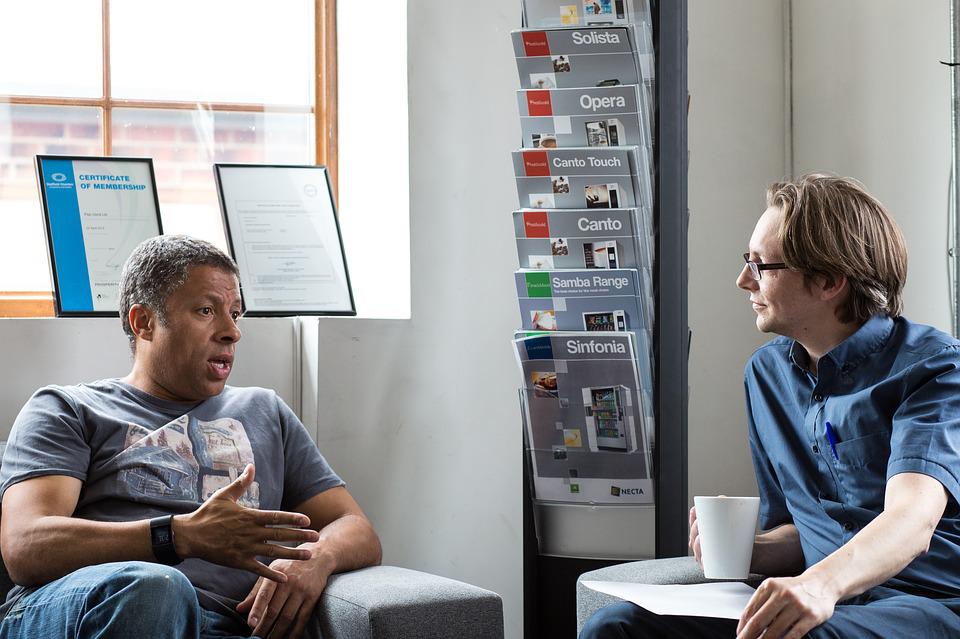
The words you use to describe yourself matter. Words affect your personal brand. They influence people’s perception of you, especially when a few words is all they know about you. If you want to be a successful freelancer, you need to be thoughtful with the words you use to describe yourself and your work.
The words we speak aloud can even affect our own brains. Simply introducing yourself to a client can change the way you view yourself. If you refer to yourself as an experienced professional, eventually, you will start to think of yourself as such. But if you refer to yourself as an amateur or newbie, that’s exactly what you’ll be.
Self-perception is important because words can influence your own mood and behavior. Having repetitive negative thoughts can activate the brain’s fear center. If you think of yourself as an imposter who lacks control over their work and career, you’ll present that message to clients and prospects through your behavior and language.
Your title is one of the first pieces of information that prospective clients learn about you. It should tell clients who you are and how you can help them. This begs the question: Are you introducing yourself properly? Does it make sense to call yourself a “freelancer,” or is there a different way to set the stage for client relationships?
In this article, we help you understand whether it makes sense to call yourself a freelancer or if a different term is more suitable for your career.
-
The Surprising Ways in Which Insurance Can Help Freelancers
Ashley Baxter is building With Jack, a platform that helps keep freelancers in business. Ashley enjoys sharing her experience of bootstrapping a business as a solo founder in one of the least start-up friendly industries in the world. In this guest article, she outlines why having business insurance is crucial for many freelancers.
Insurance should be a vital part of every freelancer’s toolbox alongside invoicing and working with a contract. Despite this, I’d estimate only a quarter of freelancers are properly insured. This is because insurers do a terrible job of explaining how insurance is useful to you and the type of risks you face on a regular basis.
We’re going to cover some of the common problems freelancers face and the role insurance plays in helping you in these situations.
