
-
Best Mac Apps in 2026: 50+ Essential Tools We Use and Recommend

Image: Olia Danilevich If you want to transform your Mac from a capable computer to a productivity powerhouse in 2026, you’re in the right place. We’ve curated a list of the best Mac apps to revolutionize how you work, without the need to upgrade any of your hardware.
From sophisticated time tracking tools and intuitive project management solutions, to powerful email clients and innovative note-taking apps, each recommendation has been carefully selected to solve real problems and enhance your Mac experience. Our list includes reviews of large and established apps, some beloved classics, and a few hidden gems you may not have heard of before.
Whether you’re a creative freelancer, a small business owner, or an ordinary Mac user eager to unleash your machine’s full potential, you’re sure to find valuable solutions in our comprehensive guide to the best Mac apps.
Let’s get started.
Read More… -
17 Cool Mac System Settings to Personalize Your Mac
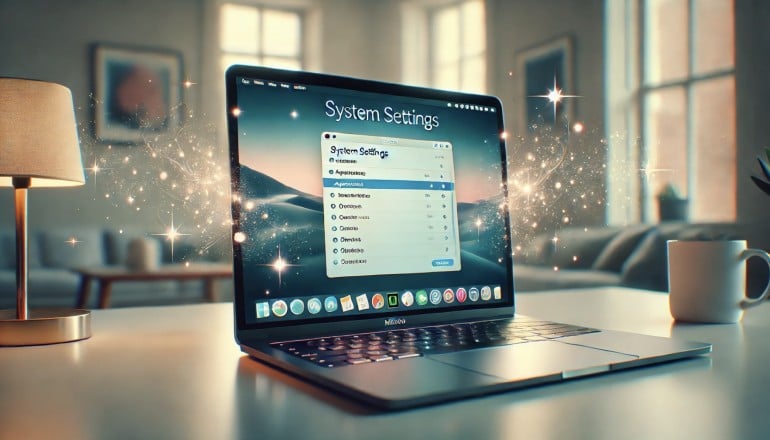
Image generated by Dall-E Your Mac is more than just a computer — it’s your digital home. Your workspace, creative studio, and productivity hub all rolled into one. While its out-of-the-box experience is impressive, customizing your Mac System Settings can transform it into a finely-tuned instrument that anticipates your needs and works the way you do.
Your machine’s System Settings (formerly called System Preferences) is your Mac’s control center. It’s the central hub where you can configure virtually every aspect of your computer so that it works in a way that feels familiar and intuitive.
Depending on your personal preferences, and perhaps on the kind of work you do, you’ll likely have different needs to those around you. For example, you might hate being interrupted by notifications, beeps and pings. Or maybe you don’t like the way your Mac’s trackpad has been pre-programmed — does it scroll the wrong way? If you regularly edit photographs, you might be selective about the brightness of your display. All of these features can be adjusted to your liking in System Settings.
Here, we’ll explore 17 settings that can help you personalize your Mac. Take the time to make these changes, and you’re likely to work more efficiently and more productively.
-
How to Backup Your MacBook: Top 7 App Reviews and Tips

Image: Generated with Dall-E Data loss is a nightmare for everyone. Whether it’s due to system failure, accidental deletion, or even theft, the risks are real.
Backblaze found that 46% of its customers lose data every year, and points to a Google study implying that one hard drive in two fails within five years, alongside Bureau of Justice figures showing 15% of households experience burglary or theft annually.
Learning how to backup your MacBook is not a luxury but a necessity for safeguarding your professional data. Encrypting your backups is crucial, especially when dealing with sensitive information, as it ensures that even if someone gains access to your backup files, they can’t read the data without the encryption key.
A reliable backup solution helps you quickly recover from unexpected data loss, saving time and protecting sensitive information.
Below, you’ll find a complete overview of how to backup your MacBook with the best backup apps for Mac and why options like iCloud sync are NOT a backup solution.
-
The Best Mac Time Tracking Software for Architects

Image: energepic.com Architects face the constant challenge of managing complex projects with tight deadlines and balancing creativity with practicality. Poor time management can lead to missed deadlines, budget overruns, and lost opportunities for architects who need to focus on both the big picture and the finer details.
Moreover, architects who work on a Mac need time tracking software that integrates seamlessly into their workflow, offering reliability, security, and ease of use.
With the right time tracking tool, time management becomes effortless and directly impacts the quality of your work, client satisfaction, and your bottom line.
In this article, we’ll discuss why time tracking for architects is essential and the top time tracking apps you can use to get a more accurate picture of how you spend your work day.
Before we start with our top picks, let’s dive into the challenges architects face.
-
The 14 Best Project Management Software for Mac

Image: fauxels What’s the best project management software for Mac? Unfortunately, there’s no one-size-fits-all answer here. Everyone you speak to is likely to have a preference for the solution that meets their unique requirements.
To help you find the option that works best for you, we’ve put together a detailed list of the 14 best Mac project management tools. Our review provides all the information you need to make the right choice. Whether you’re a freelancer, a manager of a small team, or a business owner looking to scale, our picks will ensure you stay on track and meet your goals.
-
Time Constraints: 8 Pro Tips to Help You Manage Tight Deadlines

Image: Antoni Shkraba Our professional lives are governed by one time constraint after another. Client and self-imposed deadlines, access to resources, and our operational processes influence what we prioritize when. This isn’t necessarily a bad thing. It’s an inevitability. Every task has to be completed at some point. And if we can plan our schedules realistically and manage our workloads effectively, we can leverage these limitations properly,
Here, we offer eight useful strategies to help you navigate demanding deadlines. Their intention is to reduce the potential negative effects of time constraints, such as stress, decreasing work quality, and an inability to think creatively. And instead ensure you structure your time in a way that helps you feel in control, focused and productive.
-
Ditch the Timesheet Template: Switch to Automatic Time Tracking
Image: Generated with Dall-E Are you losing valuable billable hours because of an inefficient manual timesheet template?
Manual timesheets rely on memory, and memory fades fast — the longer you leave it, the less of your work actually makes it onto the sheet.
Time spent in meetings and calls slips away most easily of all.
Relying on manual entry can quietly eat into your business’s profitability.
However, if you switch to automating your timesheet tracking, you can avoid the financial pitfalls and use technology to help you run a more efficient freelancing business.
-
Time Well Spent: What it Means and How to Get the Most Out of Every Day

Image: Nataliya Vaitkevich TL;DR: What is Time Well Spent?
Time well spent means using your hours on activities aligned with your personal values—whether that’s productivity, self-improvement, quality time with loved ones, or rest. It’s not about maximizing every minute, but being intentional so your days feel meaningful rather than chaotic. Key strategies include: setting clear priorities, limiting distractions (especially social media), practicing mindfulness, and using automatic time tracking to see where your time actually goes.
Spending time well means different things to different people. Some associate it with productivity, personal fulfillment or self-improvement. For others, it’s about spending quality time with loved ones or helping people in need. Many associate time well spent with a good work-life balance — days that feel full and rich both professionally and personally, without being exhausting or overwhelming.
In an age when busyness is elevated, even revered, well-spent time offers a refuge. Rather than encouraging us to succumb to the pressures of constant activity, it emphasizes the quality of our experiences over the quantity. If we’re spending our time well, we’re prioritizing meaningful pursuits that enrich our lives instead of frantically ticking off an endless list of tasks.
Here, we explore the ins and outs of this concept and look into the tools that can help you get the most out of every day.
-
Why Is It Important to Set Realistic Goals? Top 6 Benefits and Tips for Success

Image: Generated with Dall-E TL;DR: Why Set Realistic Goals?
Setting realistic goals matters because you’re far more likely to achieve them. Most people abandon their goals within months—often because they set unrealistic targets. Realistic goals use the SMART framework (Specific, Measurable, Achievable, Relevant, Time-bound) and align with your actual capabilities and constraints.
Key benefits: Better focus, increased motivation, improved time management, reduced stress, and higher success rates.
Quick tip: Break large goals into micro-goals and track your time to understand where your hours actually go.
Setting work goals can help to give you clarity and focus, boost your motivation, and increase your chances of achieving your professional ambitions. But be careful, we’re often warned, you have to make sure your goals are realistic. Why? Why is it important to set realistic goals? What are the benefits? Can’t we just aim for the stars and hope for the best?
In the minutes after midnight on 1 January every year, millions of people set goals for themselves. Within a few months, the vast majority have abandoned them — many before the end of February.
The reasons why we fail are numerous and complex. In some instances, we haven’t adequately prepared ourselves. We don’t really know what pursuing our goals involves or what will be required for us to succeed. In other instances, we encounter unanticipated external challenges. We fall ill, the economy changes, a pandemic hits. But among the most important reasons is that our goals simply aren’t realistic in the first place.
Here, we look into six benefits you can expect if you set realistic goals, and offer tips for making your goals a reality.
Let’s get started.
-
Hybrid Work Schedule: How to Blend Office and Remote Work for Maximum Efficiency

Image: Generated with Dall-E The hybrid work schedule is a blend of remote and in-office environments.
It gives employees the flexibility to work from home, save money on commuting, and focus on work with fewer distractions without losing the social and collaboration advantages of going into the office every day.
While the advantages of remote work seem great (flexibility, no commute, more time with family), the realities of working from home soon emerge. It’s lonely, can lead to work overload, and makes it difficult to maintain an engaged workforce and company culture.
In response, hybrid work strives for a more balanced approach between both models.
Let’s explore how it’s shaping the way we work, how you can implement it, and why you need the right tool stack to ensure its success.
